Travel Is a Human Experience — Why Accessible Travel Planning Is a Mission, Not a Luxury
Introduction: When I Realized Travel Wasn’t Equitable
I used to believe that planning a trip for someone with extra needs should be manageable with enough research.
As an occupational therapist, I understand mobility, fatigue, adaptive equipment, and environmental barriers. I assumed I could navigate the travel system the same way I help clients navigate daily life.
Then I traveled with my dad.
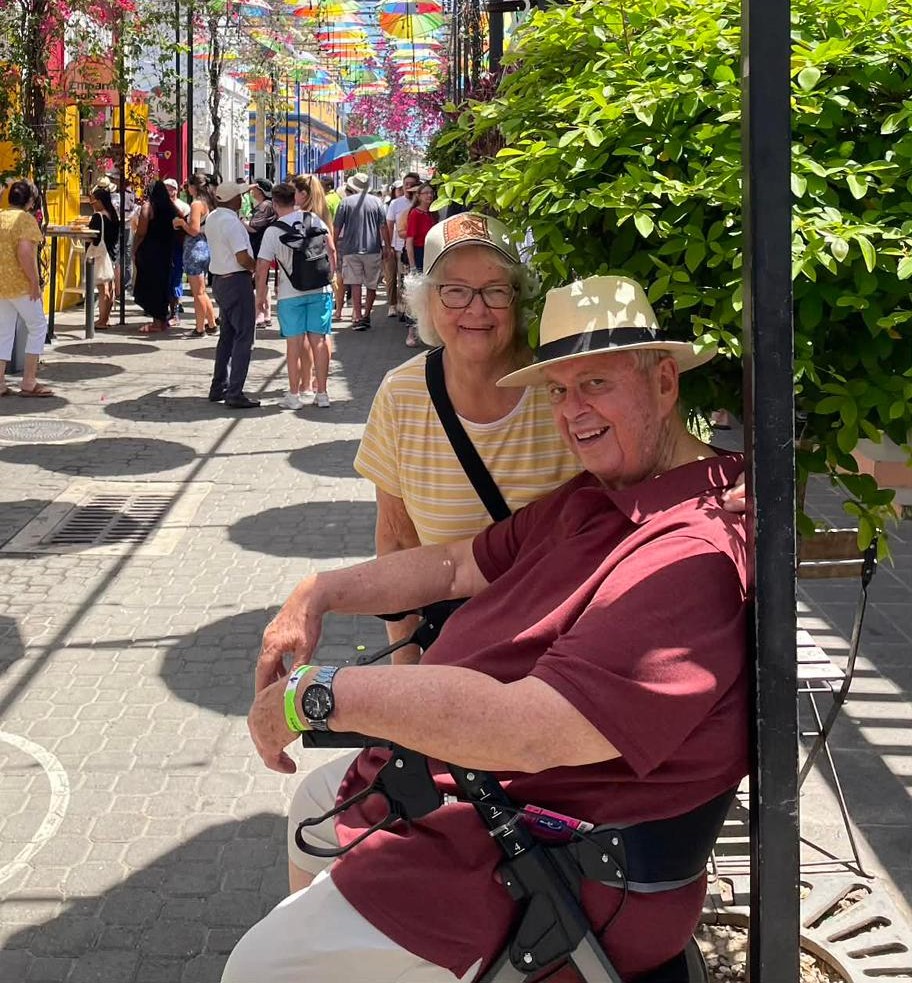
He uses an oversized 4 wheeled walker and tires easily. Despite careful preparation, phone calls, and packing adaptive equipment, we faced narrow hallways, overcrowded elevators, inaccessible ports, and unsafe navigation spaces. His walker barely fit. He fell. He missed activities because of exhaustion.
And we lost moments we can’t get back.
That experience changed me.
I realized accessible travel wasn’t just underdeveloped in the industry—it was inequitable.
If I struggled with my clinical background, how were other families managing?
Many weren’t.
They were simply staying home.

The Turning Point: Joining a Movement, Not Just a Certification
As I continued working with older adults and individuals with varying needs, one painful truth kept surfacing: travel was often the first thing people gave up.
Airports felt overwhelming.
Hotels felt unpredictable.
Family events became sources of anxiety instead of joy.
When I joined Accessible Travel Planners (ATP) and became a Certified Accessible Travel Planner (CATP), I didn’t just gain education—I joined a mission.
The training reframed travel through the lens of equity, dignity, and inclusion. It challenged surface-level definitions of accessibility and emphasized comprehensive, real-world vetting of vendors, transportation systems, accommodations, and itineraries.
More importantly, it connected me to a community committed to systemic change.
This is not about “special requests.”
It’s about belonging.
The “Aha” Moment: Accessibility Is About Dignity
The biggest shift for me was understanding that accessibility is not a niche—it is a human need.
It can mean:
Properly installed grab bars that prevent falls
Adequate turning space for mobility devices
Refrigeration for medication
Allergy-aware kitchens
Sensory-aware environments
Guides trained to support hearing or vision differences
Pacing that honors fatigue
Accessibility is about safety.
It’s about independence.
It’s about dignity.
Becoming a CATP changed how I see every hotel room, cruise ship, transfer vehicle, and tour experience.
I no longer evaluate travel for aesthetics alone.
I evaluate it for inclusion.
Real-World Impact: When Fear Keeps Someone Home
I once worked with a woman in her seventies who skipped her granddaughter’s wedding.
Not because she didn’t care.
Because she was afraid.
She uses a wheelchair and didn’t believe she could manage the airport. She didn’t know how to ensure her hotel room would truly accommodate her needs. She feared being sidelined during family events.
She felt invisible.
That conversation broke my heart.
With structured airport assistance, properly vetted accommodations, clear vendor communication, and thoughtful pacing, she later attended another major family milestone.
She didn’t just show up.
She participated.
She connected.
She felt seen.
That is the power of accessible travel planning done correctly.
Why This Matters Beyond Business
Accessible travel planning is not just a professional specialty—it is advocacy.
We live in a world where multigenerational travel is common. Families include aging parents, individuals with disabilities, neurodivergent travelers, people with chronic illnesses, and those who simply move at a different pace.
When accessibility fails, the cost is not just an inconvenience.
It is exclusion.
By elevating education standards and transitioning into a nonprofit model, ATP strengthens the mission of travel equity. It signals that this work is not just transactional—it is transformational.
As professionals, we are not just booking trips.
We are restoring access to life experiences.
For travelers, this means peace of mind and inclusion.
For planners, this means purpose-driven work that serves a growing and underserved community.
Conclusion: Travel Should Not Be Reserved for the Able-Bodied
Travel is more than leisure.
It is connection.
It is celebration.
It is memory-making.
It is belonging.
No one should miss a wedding, reunion, graduation, or long-awaited vacation because systems weren’t built with them in mind.
Accessible travel planning ensures that inclusion is intentional—not accidental.
If you are a traveler who has hesitated because of accessibility challenges, know this: support exists.
If you are a travel professional considering certification, understand that this work is bigger than bookings. It is about shifting an industry.
Travel should not be reserved for the able-bodied.
It should be available to everyone.
Bio -
Cindi Larsen, OT/L, MBA, CATP Certified Accessible Travel Planner
Cindi Larsen is an occupational therapist and certified accessible travel planner dedicated to travel equity and inclusion. Through Easy Journey Travel, she helps families of all ages and abilities experience the world together—because accessibility belongs in every itinerary.
Instagram: http://Instagram.com/easyjourneytravel
Facebook: http://Facebook.com/cindi.c.larsen/
Website: https://easyjourneytravel.com/home
