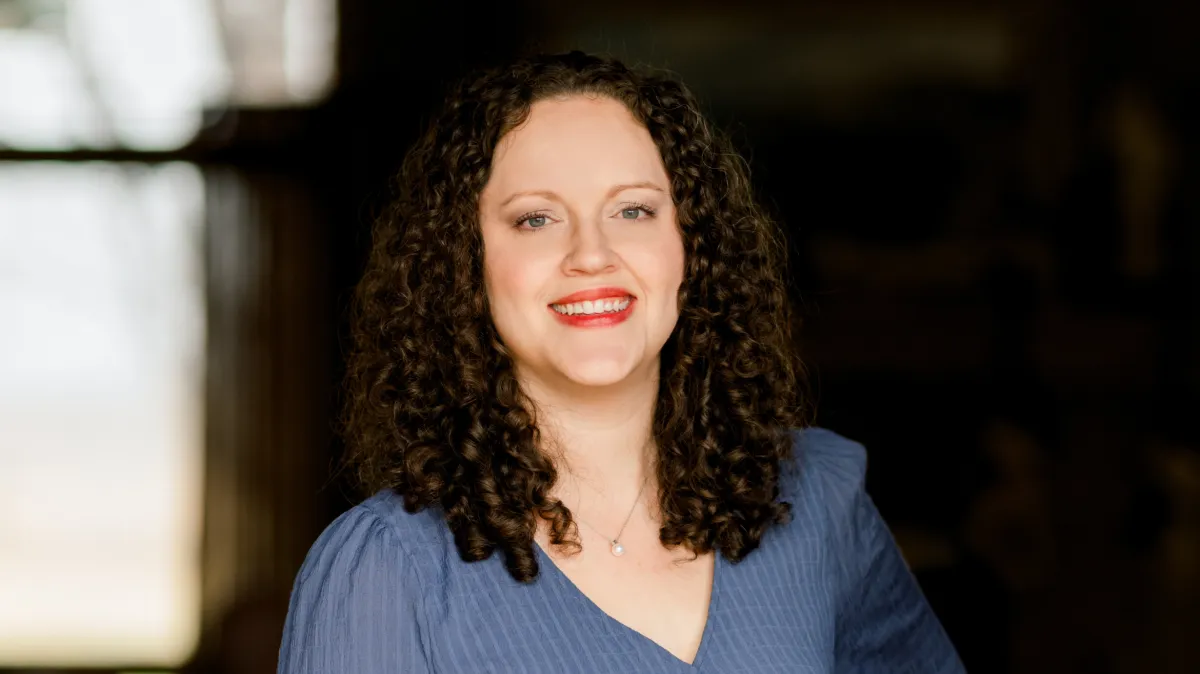
From Occupational Therapy to Certified Accessible Travel Planner: Why Accessible Travel Became Personal for Me
Before I Knew Accessible Travel Was a Career, It Was a Necessity
For years, I was an occupational therapist running my own mobile solo practice. I loved stepping into people’s homes, helping them regain independence, and watching confidence return in small but powerful ways. My business was growing. I had momentum. I felt settled in my calling.
Then my health changed.
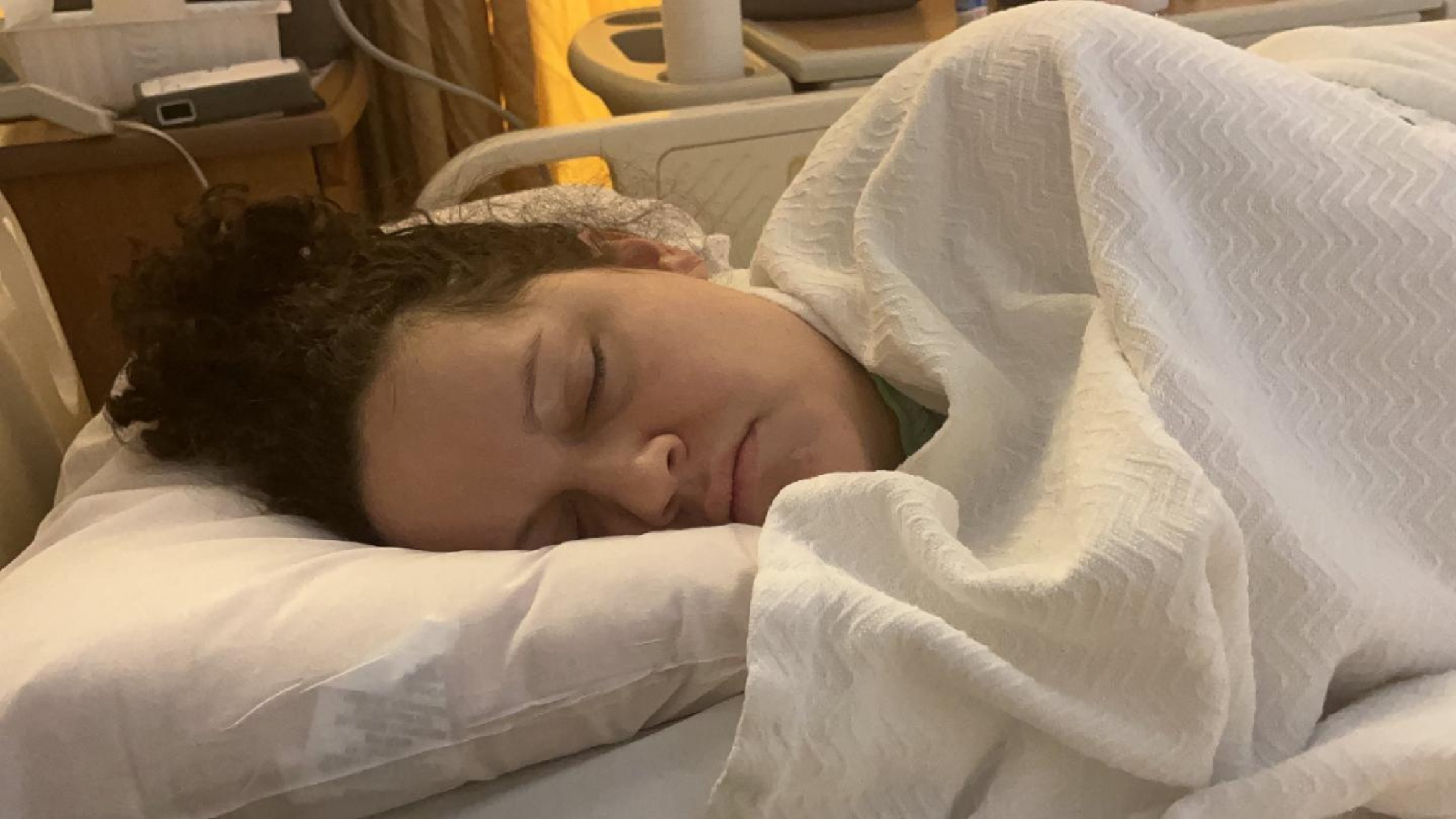
After ongoing back issues, I underwent spinal cord surgery. What I thought would be a season of recovery slowly became a complete life pivot. Eventually, I made the painful decision to shut down my practice.
But it was the travel for that surgery that shifted something inside me.
I had to fly across the country. Suddenly I was the one worrying about boarding procedures, seating support, fatigue, and whether the hotel would actually meet my needs. I knew the clinical language of mobility and positioning, but experiencing it personally was entirely different.
I remember thinking, this should not be this hard.
Even with my background, I felt uncertain. Would I be comfortable on the plane? Would I have the right support? Would I be exhausted before I even arrived?
That trip opened my eyes to something I had never fully seen before.
Travel is layered with invisible decisions for people with disabilities. And most families are navigating those decisions alone.
While I was still recovering, I learned about combining therapeutic knowledge with travel planning. The idea of helping people of all abilities experience smoother, safer trips immediately resonated with me. It felt like a bridge between who I had been and who I was becoming.
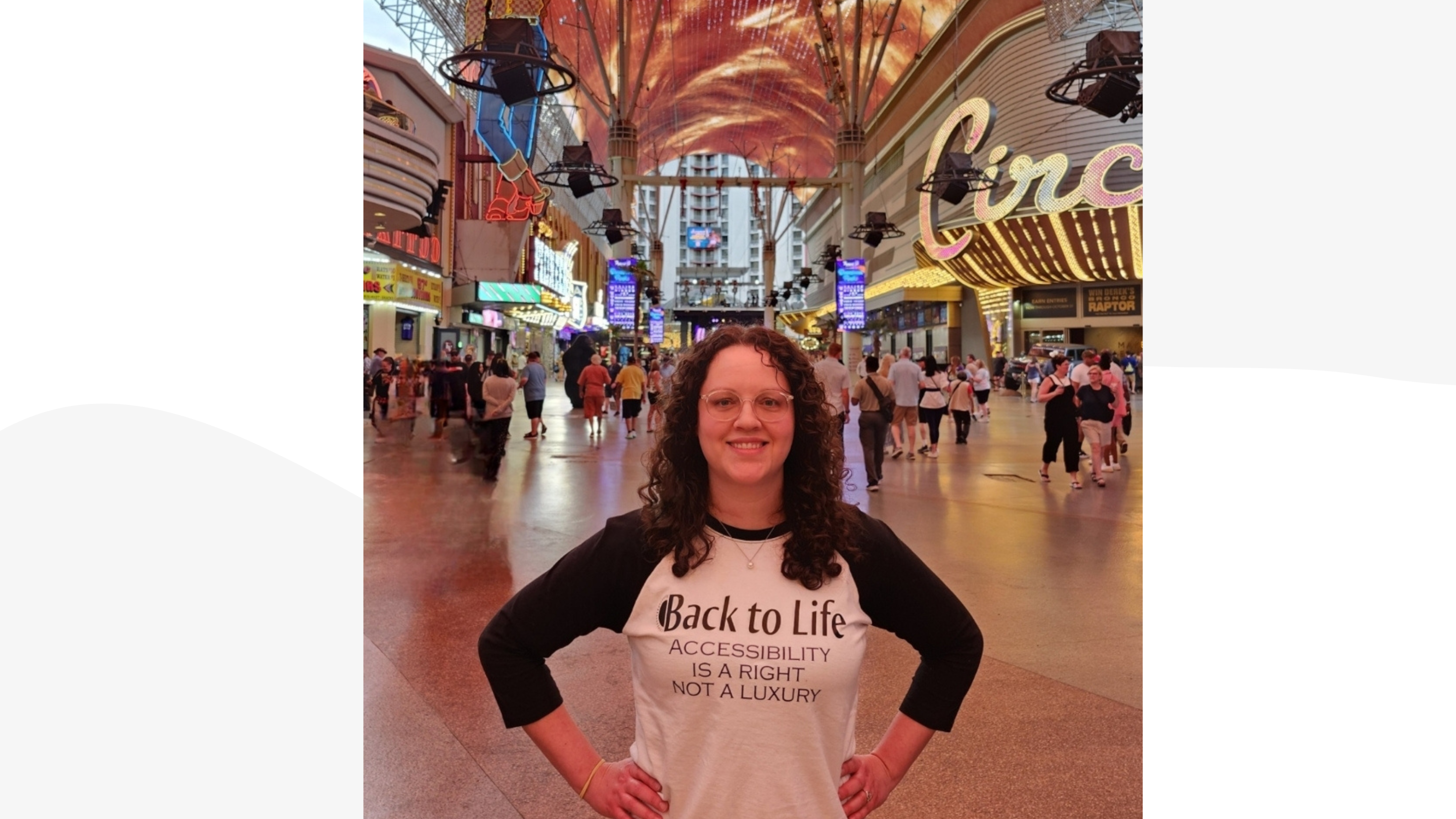
The Moment I Almost Walked Away
When I joined ATP, I was excited. I was ready to build something new.
And about two weeks in, I almost quit.
The travel industry is complex. Compliance rules, supplier contracts, booking systems, vendor policies. I had gone from being a confident clinician to feeling like I was back in graduate school, unsure of myself.
But it was not the learning curve that scared me.
It was the responsibility.
I kept thinking, what if I mess up someone’s once in a lifetime trip? What if an accessibility request is not honored? What if I overlook something critical?
I did not want to carry the weight of someone else’s disappointment.
Then during a home visit with a long term therapy patient, I casually mentioned what I was building.
His wife leaned in.
He had a progressive neurological disease which required him to use a wheelchair, feeding tube, and other daily medical interventions. They had not traveled in a while. They dreamed of flying to the West Coast to see family for a big anniversary, but they assumed that chapter of their life was closed.
They did not need a full itinerary from me.
They needed hope.
We talked about positioning during the flight. Ways to help him stay upright longer. How to request assistance. How to pack medical equipment separately and declare the batteries. Small adaptations that could conserve his energy.
I saw her mind churning and thinking this is possible.
Later I followed up after they made the trip. They had a wonderful time and I believe he met a grandbaby for the first time. About a year later he passed away. I still think about them all the time.
Sometimes impact is not about perfect execution. Sometimes it is about giving someone permission to try.
That was the moment I knew I could not quit.
The Education That Changed Everything
When I pursued my Certified Accessible Travel Certification, something shifted in me.
I already understood function and adaptation from my therapy background. What I did not yet understand was how to translate that into efficient, strategic travel planning.
The certification taught me how to ask better questions.
Many travelers do not identify all of their needs right away. Some do not realize certain accommodations even exist. Others have adapted so well at home that they forget travel environments create entirely new variables.
I learned how to gently uncover those layers.
I learned how to vet vendors more thoroughly and how to follow up to ensure accessibility requests are documented correctly. I learned that “accessible” on a website can mean very different things in reality.
Most importantly, I found a community.
The accessible travel community is generous and collaborative. We share ideas. We problem solve together. We challenge each other to think creatively. Being surrounded by professionals who believe deeply in inclusion changed my confidence.
I no longer felt like I was guessing.
I felt equipped.
Why Accessible Travel Matters More Than Ever
The number of people living with disabilities is increasing. At the same time, accessibility laws have not evolved quickly enough to match real world travel needs.
Yet the desire to travel has not diminished.
People still want to celebrate anniversaries. Visit grandchildren. Explore new landscapes. Take bucket list trips. Reconnect with family.
Disability does not erase dreams.
It simply changes the strategy required to reach them.
Accessible travel planning is about protecting dignity. It is about reducing preventable stress. It is about anticipating barriers before they become overwhelming. It is about recognizing that fatigue, positioning, sensory input, and equipment logistics are not small details. They are central to the experience.
When those details are handled thoughtfully, families can focus on what truly matters.
Connection.
How This Work Changed My Life
After closing my therapy practice, I wondered how I would continue serving people in a meaningful way.
Accessible travel gave me that answer.
It allows me to use my clinical reasoning in a new environment. It gives me flexibility as I navigate my own evolving health needs. I can work from anywhere with internet access. I can build a schedule that honors my body.
And I get to witness something beautiful.
I see families who thought travel was over rediscover possibility. I see spouses breathe easier knowing someone has thought through the details. I see clients return home not just rested but empowered.
This work inspires me constantly.
Even as I manage new disabilities of my own, I travel more now than I imagined possible. I am reminded daily that limitations do not have to define the edges of our lives.
If You Are Wondering Whether Travel Is Still Possible
If you are living with mobility challenges, chronic illness, progressive conditions, sensory sensitivities, or medical equipment needs, you may be quietly asking yourself whether travel is worth the effort.
It is.
It just needs to be designed differently.
Accessible travel is not about shrinking your world. It is about designing experiences that respect your body, your energy, and your safety.
You deserve to celebrate milestones. You deserve to meet new grandchildren. You deserve to see places that have been calling your name.
And yes, it is possible.
Ready to Explore What Is Possible?
If you are dreaming of a trip but feel unsure where to begin, I would love to walk through it with you.
And if you are a travel professional considering certification in accessible travel, I can tell you this work matters deeply. It changes lives, including your own.
Accessible travel is not just logistics.
It is hope, strategy, and possibility woven together.
About the Author
Amberly Wiese, Certified Accessible Travel Planner
Amberly graduated in 2010 with a Master’s in Occupational Therapy and spent over a decade serving clients of all ages. After developing multiple chronic conditions, she became a Certified Accessible Travel Agent. She now helps travelers of all abilities plan thoughtful, supported trips.
Website: www.backtolifetravel.com
Social Media Links
Facebook https://tr.ee/mat2gbdeQf
Instagram https://tr.ee/wLMIHS4zEL
Tiktok https://tr.ee/PDtU3YDNyC
LinkedIn https://tr.ee/q8kmAoV_vm
