From Occupational Therapist to Certified Accessible Travel Planner: Why I Knew This Was My Next Chapter
For more than 27 years, I’ve had the privilege of working as an occupational therapist, helping people participate as fully as possible in the activities that matter most to them.
I’ve always loved the holistic nature of OT. It’s all about analyzing, problem solving, and possibility. It’s about helping someone say, “I can do this.”
Outside of my career, I’ve always loved to travel.
Travel breaks routine. It pulls us out of autopilot and makes us more aware of the present moment. It creates space for deeper connection with family, friends, and even ourselves.
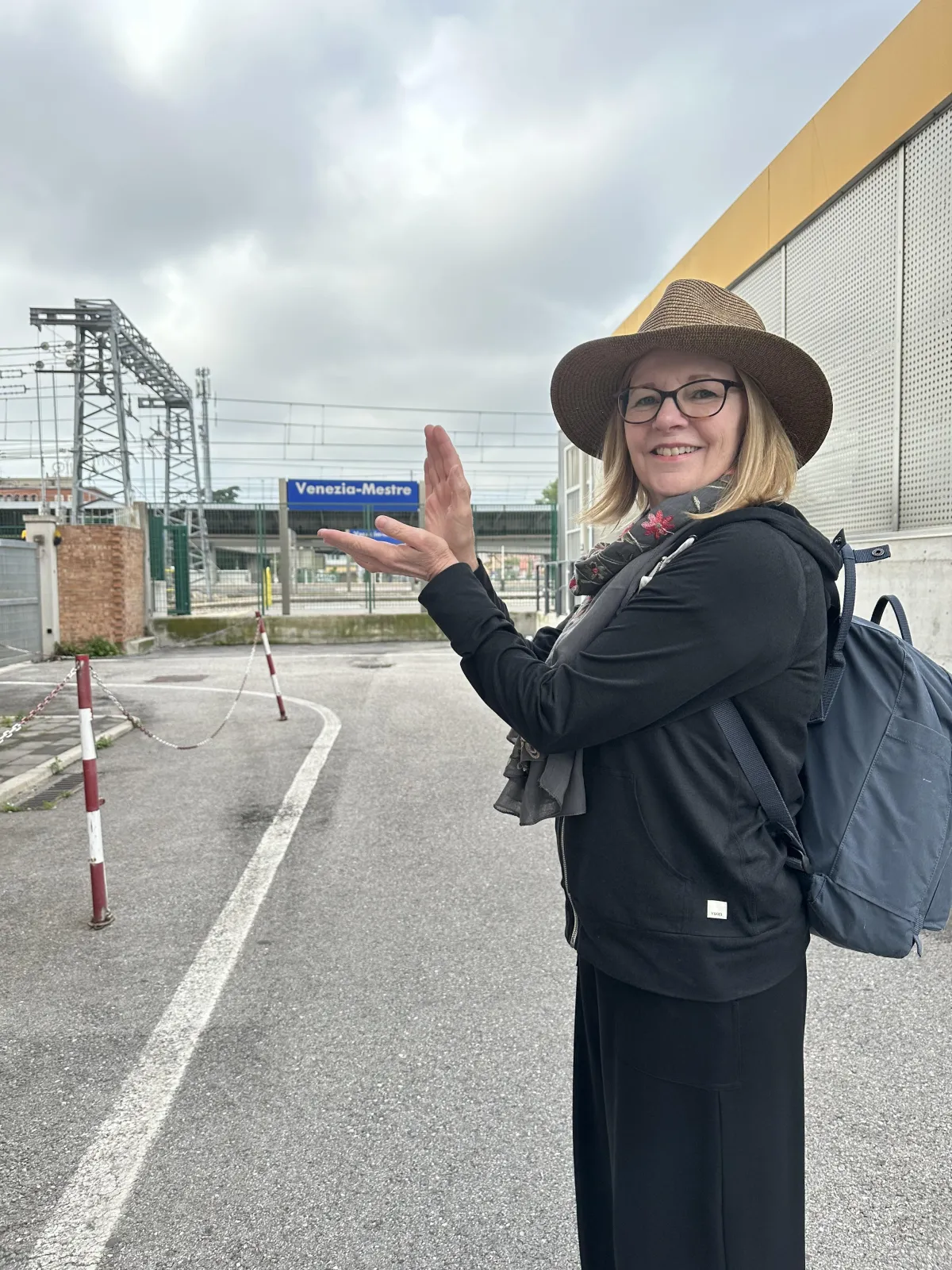
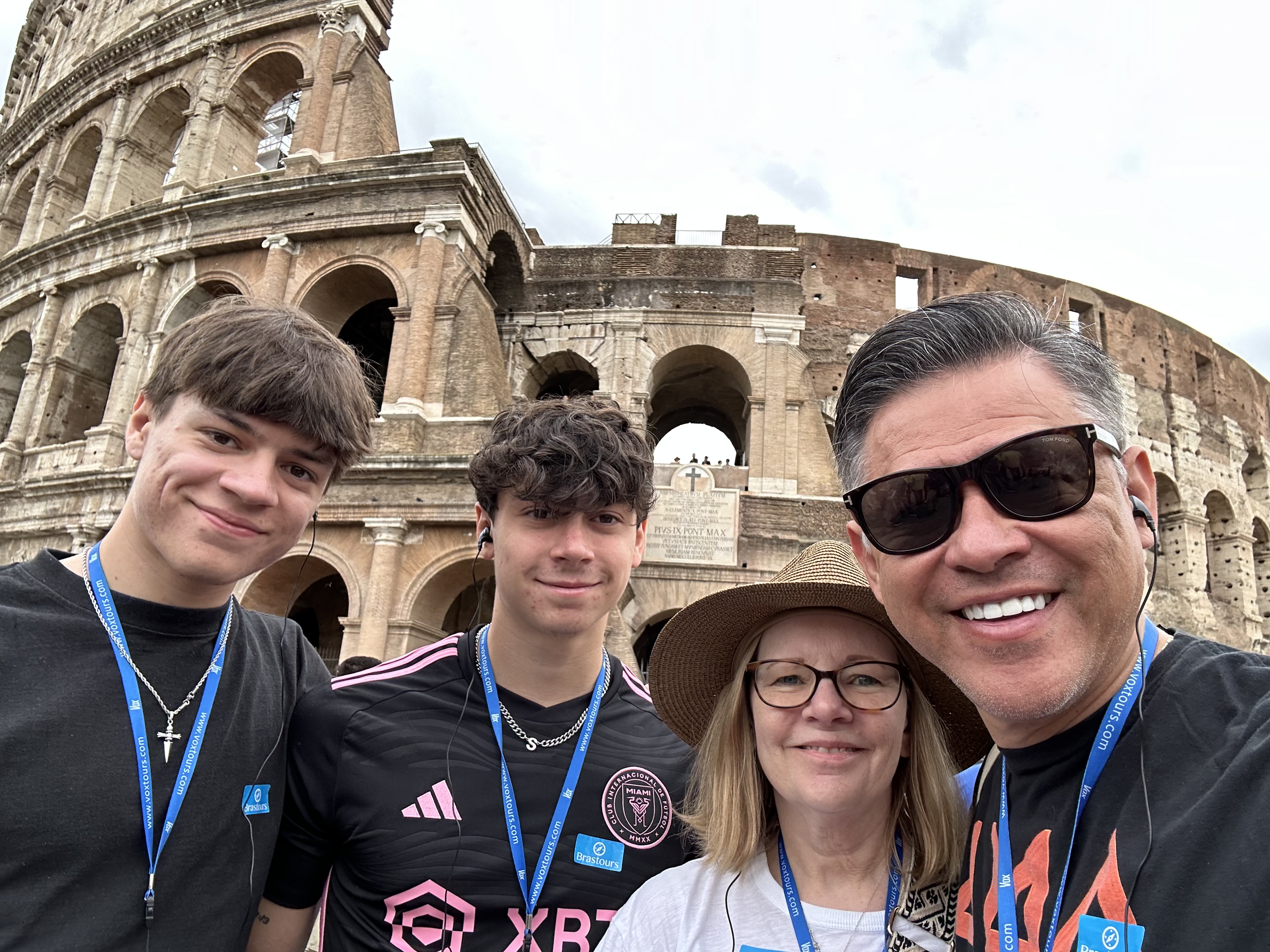
Some of my most treasured memories have been made while traveling — like in 2024, when my family of four explored Italy together.
Sharing great meals, marveling at the size of the Colosseum and how it was used so many centuries ago, gazing up at the Sistine Chapel together, wandering through the ancient streets of Florence and over the canal bridges in Venice — it all reminded me just how powerful travel can be, especially when shared with loved ones.
The turning point
In 2020 I began exploring new ways to use my OT skills outside of traditional clinical settings or home health. I was looking for something I could do remotely, but I didn’t necessarily want to do telehealth. Most of the options I found didn’t appeal to me or required additional schooling.
It wasn’t until 2023 that I discovered the opportunity to become a remote travel planner. And the best part — I would be able to combine my OT skills with my love of travel to help people of any ability to travel!
Accessible travel planning felt like a natural extension of my core values as a therapist — removing barriers so all people can experience life more fully.
Once I realized accessible travel planning could bridge my clinical expertise and my passion for travel, I knew I didn’t want to simply book “accessible rooms.”
I wanted to understand accessible travel the way I understand everyday function — thoughtfully, thoroughly, and individually.
So I joined Accessible Travel Planners (ATP). The ATP certification program challenged me to think beyond surface-level features and into real-life usability — an approach that elevates both client outcomes and professional standards.
I learned how to:
Ask meaningful, detailed questions
Vet suppliers beyond marketing language
Understand mobility equipment logistics
Evaluate sensory considerations
Assess destinations through the lens of participation
What began as curiosity quickly became clarity. I learned how I could help individuals and families make meaning in a whole new way, outside of the clinic or even their homes.
Perfect planning – it’s in the details
My biggest realization was this: accessible travel is rarely about a single feature.
It’s the sum of many parts.
What one hotel considers accessible may not be what another hotel considers accessible.
And different countries have different laws and levels of accessibility.
A hotel may advertise an accessible bathroom, but does it have a roll-in shower or a tub with grab bars? And what about bed height, transfer space, or door width?
Tourist sites may be labeled accessible — but what about wait times, elevator access, or quiet areas to calm sensory overload?
The ATP certification course helped me connect my clinical lens with travel logistics in a powerful way. It isn’t just about planning vacations.
It’s about removing barriers.
About making meaningful life experiences possible for everyone.
Why this work matters
Before becoming a Certified Accessible Travel Planner (CATP), I heard too many stories that stayed with me.
Grandparents who chose not to join family vacations because they didn’t want to “slow everyone down.”
Parents who left their autistic child home with a caregiver because the trip felt overwhelming.
Families who quietly assumed travel just wasn’t for them.
That assumption is what breaks my heart.
Because travel isn’t reserved for the fully mobile or neurotypical. It is a meaningful life experience that everyone deserves.
When we plan thoughtfully — when we ask the right questions and build in the right supports — families can travel together.
No one left behind.
No one staying home.
No one feeling like a burden.
Just shared memories.
According to the World Health Organization, more than one billion people worldwide live with some form of disability. When we also consider aging travelers, temporary injuries, chronic conditions, and sensory differences, accessible travel is not niche.
It is necessary.
Aligning Profession + Passion
Accessible travel planning has deepened the way I serve clients and families. But more importantly, it has reinforced my belief that everyone deserves the opportunity to explore the world with confidence and dignity.
Travel should be inclusive.
It should be thoughtful.
It should be possible.
If you are a traveler or caregiver who has wondered whether a trip can truly work for your family’s unique needs, I want you to know — with the right planning, it can.
And if you are a travel professional who feels called to serve this community with greater confidence and expertise, the ATP certification program is not just beneficial — it is transformative.
No one should have to stay home when memories are being made.
About the Author
Dawn Araujo, OT
Certified Accessible Travel Planner
Founder, Dream Destinations for All
Dawn is an occupational therapist with more than 27 years of experience helping individuals participate fully in meaningful life activities. She combines her clinical expertise with her passion for travel to design seamless, accessible vacations for families, seniors, and multigenerational groups. Dawn partners closely with suppliers to ensure thoughtful, well-vetted experiences.
