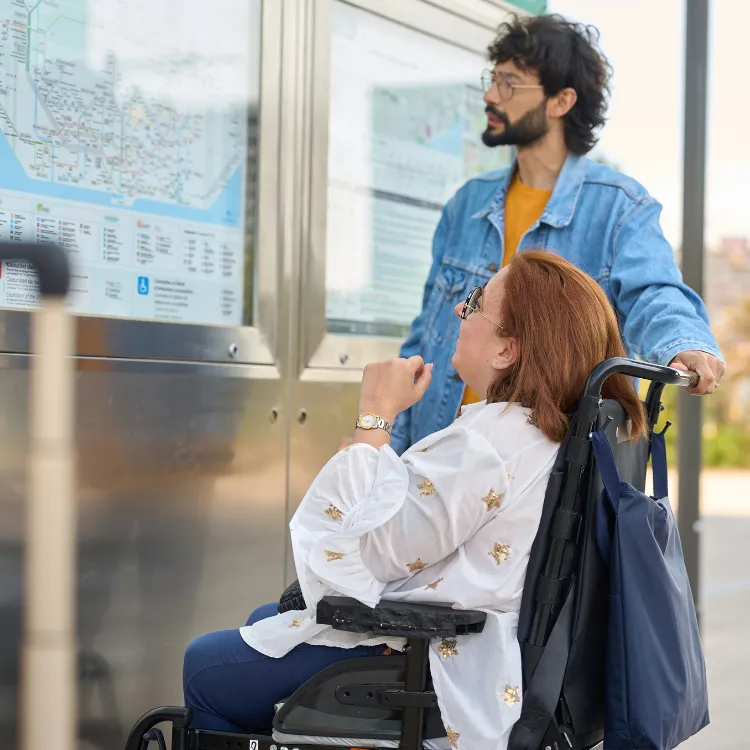
Spontaneous Travel Is Romantic — But Accessibility Changes the Story
Why Spontaneous Travel Isn’t Accessible — and What Actually Creates Freedom
There’s a lot of romance around spontaneous travel.
“Just wing it.”
“Figure it out as you go.”
“No plans, just vibes.”
We see it everywhere — social media reels of people driving with no destination, booking a stay last minute, or stopping wherever the road feels right.
Recently, I heard a friend talking about how they would just drive until they got tired and then find a place to sleep once they stopped. I honestly couldn’t imagine doing that myself — but the conversation helped me realize something important:
Spontaneity is a privilege.

Why “Winging It” Doesn’t Work for Accessible Travel
For people who need accessible travel options — whether due to disability, chronic illness, neurodivergence, aging, or mobility challenges — spontaneity often comes at a cost.
In accessible travel, winging it usually means:
Missed opportunities
Wasted money
Unsafe or stressful situations
Burning through all your energy before the trip even begins
Instead of freedom, the result is often anxiety, exhaustion, and disappointment.
Systems Aren’t Restrictive — They’re Protective
There’s a common misconception that planning takes the joy out of travel.
But the truth is:
Systems don’t restrict you. They protect you.
Good systems:
Remove guesswork
Reduce decision fatigue
Provide backup plans before you need them
Preserve your energy for what actually matters
When accessibility is planned properly, travelers can focus on the experience — not on problem-solving every step of the way.

The Cost of Not Having Systems (In Travel, Life, and Business)
The same principle applies far beyond travel.
When you don’t build systems in your life or business, you end up paying for it in stress:
Last-minute scrambling
Emotional burnout
Financial losses
Feeling like everything is harder than it needs to be
Systems create ease.
They create confidence.
They allow you to move through life with intention instead of reaction.
Why I Work Closely With Travel Agents
This is exactly why I work extensively with travel agents and professionals in the travel planning industry.
Together, we:
Customize trips based on real accessibility needs
Plan thoughtfully without overcomplicating
Build flexibility into structure
Create travel experiences that feel spontaneous and safe
The goal isn’t rigid itineraries — it’s joyful, adventurous travel that doesn’t cost you your well-being.

Planned Doesn’t Mean Boring — It Means Sustainable
When accessibility is done right, the traveler experiences:
More freedom
More confidence
More joy
Less stress
A well-planned trip can still feel adventurous — because the safety net is already in place.
A Question for You
What’s one part of your travel — or your life — that would be easier if you stopped “winging it” and added a system?
Naming it is often where real transformation begins.
